

As a supplier of lottery game machines, I've witnessed firsthand the intricacies and steps involved in obtaining a license for these devices. In this blog post, I'll guide you through the process, sharing insights and tips based on my experience in the industry.

Understanding the Regulatory Landscape
Before diving into the licensing process, it's crucial to understand the regulatory environment surrounding lottery game machines. Regulations vary significantly from one jurisdiction to another, so it's essential to research and comply with the specific laws and requirements in the area where you plan to operate.
In many countries, lottery games are subject to strict government oversight to ensure fairness, transparency, and consumer protection. Regulatory bodies are responsible for issuing licenses, monitoring operations, and enforcing compliance with relevant laws and regulations.
Initial Research and Planning
The first step in getting a license for a lottery game machine is to conduct thorough research and planning. This involves:
- Market Analysis: Evaluate the demand for lottery games in your target market. Consider factors such as population demographics, consumer preferences, and existing competition.
- Business Plan: Develop a comprehensive business plan that outlines your goals, strategies, and financial projections. Your business plan should also include details about your lottery game machine offerings, such as the types of games available, pricing, and marketing strategies.
- Regulatory Research: Identify the regulatory requirements for operating lottery game machines in your jurisdiction. This may include obtaining a license from a government agency, meeting specific technical and security standards, and complying with anti-money laundering and responsible gaming regulations.
Selecting the Right Lottery Game Machine
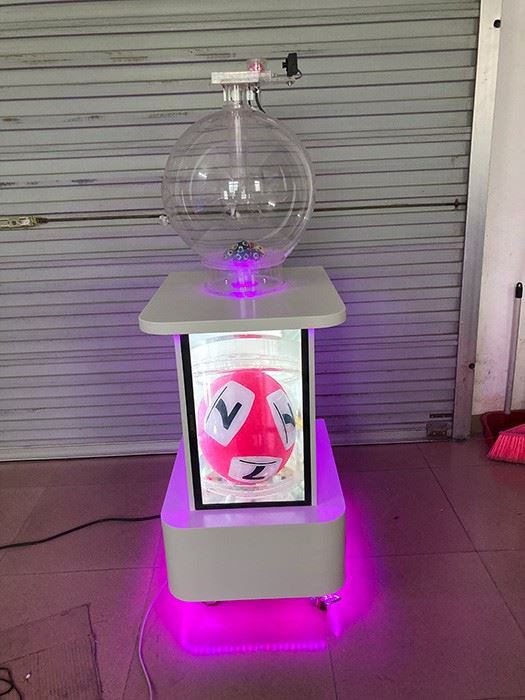
Once you have a clear understanding of the regulatory requirements and market demand, it's time to select the right lottery game machine for your business. As a supplier, I offer a wide range of high-quality lottery game machines, including 3D Lottery Machine and Single Digit Lottery Machine.
When choosing a lottery game machine, consider the following factors:
- Game Variety: Look for machines that offer a diverse range of lottery games to appeal to a wider audience. This may include traditional lottery games, such as scratch cards and number draws, as well as more innovative games, such as video lottery terminals and interactive lottery kiosks.
- Technical Features: Ensure that the lottery game machine is equipped with the latest technology and features to provide a seamless and engaging gaming experience. This may include high-resolution displays, touchscreen interfaces, and advanced security systems.
- Compliance: Make sure that the lottery game machine meets all the regulatory requirements in your jurisdiction, including technical and security standards, anti-money laundering regulations, and responsible gaming features.
Applying for a License
Once you have selected the right lottery game machine and completed your research and planning, it's time to apply for a license. The licensing process typically involves the following steps:
- Submit an Application: Contact the relevant regulatory agency in your jurisdiction and request an application form for a lottery game machine license. Fill out the application form carefully and provide all the required information, including details about your business, the types of lottery games you plan to offer, and your technical and security measures.
- Pay the Application Fee: Most regulatory agencies require applicants to pay an application fee to cover the cost of processing the application. The fee amount varies depending on the jurisdiction and the type of license being applied for.
- Undergo a Background Check: As part of the licensing process, you may be required to undergo a background check to ensure that you have a clean criminal record and are of good character. This may include providing fingerprints, personal references, and financial information.
- Provide Technical and Security Documentation: You will need to provide detailed technical and security documentation for your lottery game machine, including specifications, schematics, and test reports. This documentation should demonstrate that the machine meets all the regulatory requirements in your jurisdiction.
- Pass an Inspection: Once your application has been reviewed and approved, you may be required to undergo an inspection of your lottery game machine and premises by the regulatory agency. The inspection will ensure that your machine and premises comply with all the regulatory requirements, including technical and security standards, anti-money laundering regulations, and responsible gaming features.
Obtaining the License
If your application is approved and you pass the inspection, you will be issued a license to operate lottery game machines in your jurisdiction. The license will typically be valid for a specific period of time, and you will be required to renew it periodically.
Once you have obtained your license, you can start operating your lottery game machines and offering exciting lottery games to your customers. However, it's important to remember that you have a responsibility to comply with all the regulatory requirements and operate your business in a fair and transparent manner.
Maintaining Compliance
After obtaining your license, it's essential to maintain compliance with all the regulatory requirements in your jurisdiction. This may include:
- Regular Inspections: The regulatory agency may conduct regular inspections of your lottery game machine and premises to ensure that you are operating in compliance with all the regulatory requirements. You should cooperate fully with the inspectors and provide them with any information or documentation they request.
- Reporting Requirements: You may be required to submit regular reports to the regulatory agency, including financial reports, sales reports, and player activity reports. These reports should be accurate and up-to-date, and they should provide a clear picture of your business operations.
- Responsible Gaming: As a lottery game machine operator, you have a responsibility to promote responsible gaming and prevent problem gambling. This may include providing information and resources to players about responsible gaming, implementing responsible gaming features on your lottery game machines, and training your staff to identify and assist problem gamblers.
Conclusion
Getting a license for a lottery game machine is a complex and challenging process, but it's also an exciting opportunity to enter the growing lottery industry. By following the steps outlined in this blog post and working with a reputable supplier like me, you can increase your chances of success and obtain a license to operate lottery game machines in your jurisdiction.
If you're interested in learning more about our Lottery Game Machine offerings or the licensing process, please don't hesitate to contact me. I'm here to help you every step of the way and provide you with the support and guidance you need to succeed in the lottery industry.
References
- [Name of relevant regulatory agency website]
- [Industry publications and reports]
- [Legal and regulatory resources]