

What is the power consumption of an air mixed lottery machine?
As a leading supplier of air mixed lottery machines, I often get asked about the power consumption of these devices. Understanding the power usage is crucial for both economic and environmental reasons, especially when considering long - term operation. In this blog, I'll delve into the factors that affect the power consumption of air mixed lottery machines and provide some estimates to help you make informed decisions.
How an Air Mixed Lottery Machine Works
Before we discuss power consumption, it's essential to understand how an air mixed lottery machine operates. These machines use air circulation to mix the lottery balls thoroughly. A powerful fan or blower is used to create an air current within a transparent chamber. The air stirs up the balls, ensuring a random and fair selection process when a ball is drawn.
The key components of an air mixed lottery machine that consume power are the blower, any lighting systems (if present), and the control panel. The blower is the primary power - guzzler, as it needs to generate enough force to move the balls effectively.
Factors Affecting Power Consumption
- Blower Capacity: The size and power of the blower are directly related to the machine's power consumption. A larger blower can move more air and mix the balls more vigorously, but it also requires more electricity. Machines designed for larger - scale lottery events or those with a greater number of balls will typically have a more powerful blower, leading to higher power usage.
- Operating Time: The longer the machine runs, the more power it consumes. Some lotteries have regular, scheduled draws, while others may have continuous or on - demand operations. For example, a machine used for daily lottery draws will consume more power over a month compared to one used only for weekly events.
- Lighting and Additional Features: Many modern air mixed lottery machines come with built - in lighting systems to enhance the visual appeal during the draw. These lights, whether LED or other types, contribute to the overall power consumption. Additionally, some machines may have advanced control panels with touchscreens, sound systems, or connectivity features, all of which use electricity.
Estimating Power Consumption
On average, a standard air mixed lottery machine with a moderately sized blower may consume between 200 to 500 watts per hour during operation. However, this is just a rough estimate, and the actual consumption can vary significantly based on the factors mentioned above.
For instance, a basic machine with a small blower and minimal additional features might use around 200 watts per hour. In contrast, a high - end model with a large blower, elaborate lighting, and advanced control systems could consume up to 500 watts or more.
To calculate the daily power consumption, you can multiply the hourly wattage by the number of hours the machine is in use. For example, if a machine consumes 300 watts per hour and runs for 2 hours a day, the daily power consumption would be 300 watts/hour * 2 hours = 600 watt - hours or 0.6 kilowatt - hours (kWh).
Over a month (assuming 30 days), the consumption would be 0.6 kWh * 30 days = 18 kWh. Based on the average electricity cost in your area, you can then estimate the monthly cost of running the machine.
Comparison with Other Types of Lottery Machines
When comparing air mixed lottery machines with other types, such as Stirring Type Lottery Machine and Electronic Lottery Machine, the power consumption patterns can be quite different.
Stirring type lottery machines use a mechanical stirring mechanism instead of air circulation. These machines typically have motors to drive the stirring arms. The power consumption of stirring type machines can vary depending on the size and complexity of the stirring mechanism, but in general, they may consume a similar amount of power as air mixed machines, especially if they have similar operating times and additional features.
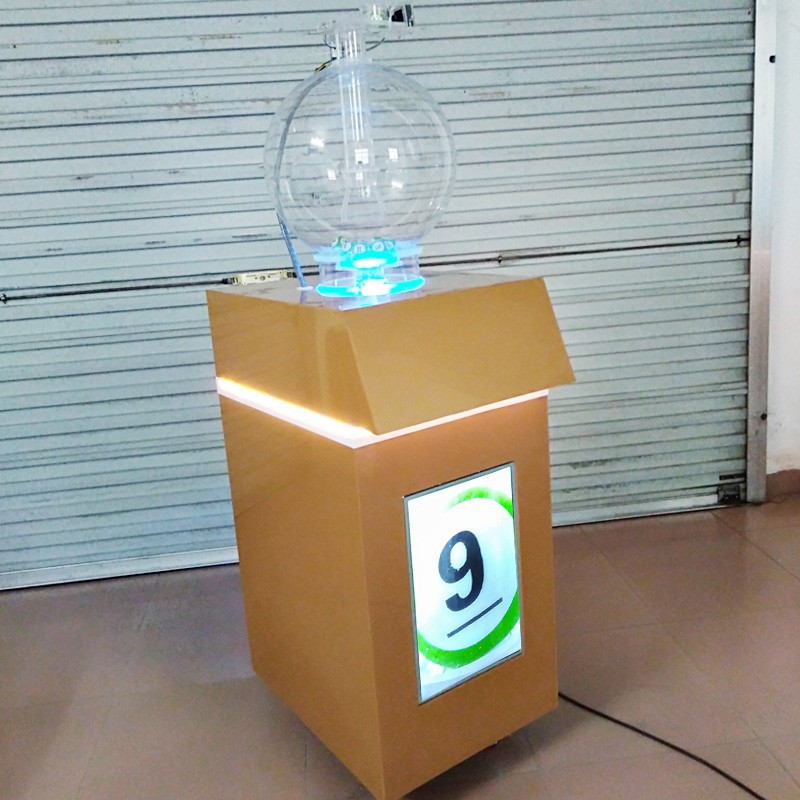

Electronic lottery machines, on the other hand, rely on digital algorithms to generate random numbers. These machines usually have lower power consumption compared to air mixed or stirring type machines, as they don't require large motors or blowers. They mainly consume power for the display, control board, and any associated electronics.
Energy - Saving Tips
If you're concerned about the power consumption of your air mixed lottery machine, here are some tips to reduce it:
- Optimize Operating Time: Only run the machine when necessary. If possible, schedule draws efficiently to minimize idle time.
- Choose Energy - Efficient Components: When purchasing a machine, look for models with energy - efficient blowers and lighting systems. LED lights, for example, consume less power than traditional incandescent or fluorescent lights.
- Regular Maintenance: Keeping the machine well - maintained can ensure that it operates at peak efficiency. A dirty or clogged blower may require more power to achieve the same level of air circulation.
Conclusion
In conclusion, the power consumption of an air mixed lottery machine depends on several factors, including the blower capacity, operating time, and additional features. While these machines can consume a significant amount of power, understanding these factors allows you to estimate and manage the cost effectively.
If you're in the market for an air mixed lottery machine or looking to upgrade your existing one, our company offers a wide range of high - quality machines with varying power consumption levels. We can help you select a machine that meets your specific requirements while keeping your energy costs in check.
If you're interested in learning more about our Lottery Lottery Machine offerings or have any questions regarding power consumption, please feel free to reach out. We're here to assist you in making the best decision for your lottery operations.
References
- Industry reports on lottery machine technology and energy usage.
- Manufacturer specifications of various air mixed lottery machines.