

Lotteries have been a popular form of entertainment and a chance at instant wealth for centuries. With the advancement of technology, automatic lottery machines have become the norm in many lottery systems around the world. As a supplier of automatic lottery machines, I am often asked about the accuracy of these machines in generating numbers. In this blog post, I will delve into the science behind these machines, their accuracy, and the factors that contribute to it.

The Science Behind Automatic Lottery Machines
Automatic lottery machines are designed to generate random numbers, which are the basis of lottery draws. Randomness is crucial in lotteries to ensure fairness and prevent any form of manipulation. These machines use various methods to generate random numbers, and most modern machines rely on algorithms and hardware-based random number generators (RNGs).
Algorithms
Algorithms are sets of instructions that a computer follows to perform a specific task. In the case of lottery machines, algorithms are used to generate sequences of numbers that appear to be random. These algorithms are often based on mathematical formulas that produce numbers with no discernible pattern. However, true randomness is difficult to achieve with algorithms alone, as they are deterministic in nature. This means that given the same input, an algorithm will always produce the same output. To overcome this limitation, modern algorithms use seeds, which are initial values that introduce an element of unpredictability.
Hardware-Based Random Number Generators
Hardware-based RNGs are physical devices that generate random numbers based on natural phenomena. For example, some RNGs use radioactive decay, thermal noise, or atmospheric noise as a source of randomness. These phenomena are inherently unpredictable, making them ideal for generating truly random numbers. In lottery machines, hardware-based RNGs are often used in conjunction with algorithms to enhance the randomness of the generated numbers.
Ensuring Accuracy in Automatic Lottery Machines
As a supplier of automatic lottery machines, we take several steps to ensure the accuracy and reliability of our products.
Rigorous Testing
Before our machines are released into the market, they undergo extensive testing to ensure that they meet the highest standards of accuracy. This includes testing the RNGs to ensure that they generate truly random numbers, as well as testing the overall functionality of the machine. We also conduct stress tests to ensure that the machines can operate under various conditions without any issues.
Regular Maintenance
To maintain the accuracy of our machines, we recommend regular maintenance. This includes software updates to ensure that the algorithms are up-to-date and free from any bugs, as well as hardware checks to ensure that all components are functioning properly. Regular maintenance also helps to prevent any potential issues from occurring, which could affect the accuracy of the generated numbers.
Independent Auditing
To provide an additional layer of assurance, our machines are often audited by independent third-party organizations. These organizations conduct thorough inspections of the machines to ensure that they are operating correctly and generating truly random numbers. The results of these audits are made public, providing transparency and confidence to lottery operators and players alike.
Factors Affecting the Accuracy of Automatic Lottery Machines
While automatic lottery machines are designed to be accurate, there are several factors that can affect their performance.
Environmental Conditions
Environmental conditions, such as temperature, humidity, and electromagnetic interference, can affect the performance of the RNGs and other components in the machine. For example, extreme temperatures can cause the components to malfunction, while electromagnetic interference can disrupt the signals in the machine. To mitigate these risks, our machines are designed to operate within a specific range of environmental conditions, and we provide recommendations for proper installation and operation.
Human Error
Human error can also affect the accuracy of automatic lottery machines. For example, improper installation, maintenance, or operation of the machine can lead to issues. To minimize the risk of human error, we provide comprehensive training to lottery operators on how to install, operate, and maintain our machines. We also offer technical support to assist operators in case of any issues.
Software Bugs
Software bugs can also affect the accuracy of the generated numbers. While we take every precaution to ensure that our software is free from bugs, it is impossible to completely eliminate the risk. To address this issue, we have a dedicated team of software engineers who monitor and update our software regularly. We also encourage lottery operators to report any issues they encounter, so that we can address them promptly.
Types of Automatic Lottery Machines
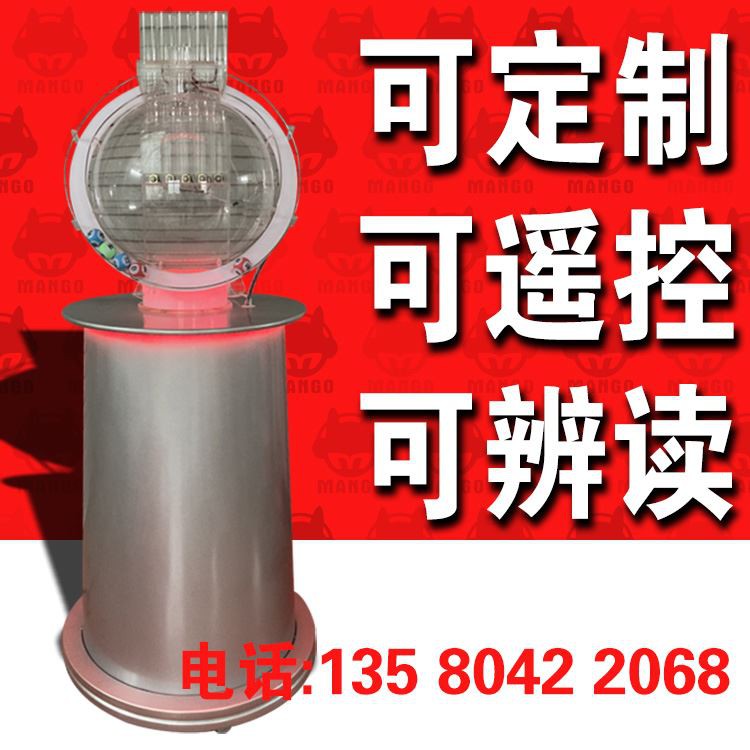
We offer a variety of automatic lottery machines to meet the needs of different lottery operators. Some of our popular models include the Balloon Lottery Machine, the Game Lottery Machine, and the Hong Kong Lottery Machine.
The Balloon Lottery Machine is a unique and exciting way to conduct lottery draws. It uses balloons to hold the lottery numbers, and the balloons are randomly selected using a mechanical or electronic system. This adds an element of suspense and entertainment to the lottery draw, making it more engaging for players.
The Game Lottery Machine is designed for lottery games that involve multiple levels or rounds. It can generate numbers for different types of games, such as scratch cards, bingo, and keno. The machine is easy to operate and can be customized to meet the specific requirements of the lottery operator.
The Hong Kong Lottery Machine is specifically designed for the Hong Kong lottery market. It meets the strict requirements and regulations of the Hong Kong lottery industry, and it is known for its accuracy and reliability.
Conclusion
In conclusion, automatic lottery machines are highly accurate in generating numbers when they are properly designed, tested, and maintained. The use of algorithms and hardware-based RNGs, along with rigorous testing and independent auditing, ensures that the generated numbers are truly random and fair. While there are several factors that can affect the accuracy of these machines, such as environmental conditions, human error, and software bugs, these risks can be minimized through proper installation, operation, and maintenance.
As a supplier of automatic lottery machines, we are committed to providing high-quality products that meet the needs of lottery operators and players. Our machines are designed to be accurate, reliable, and easy to use, and we offer comprehensive support and training to ensure that our customers get the most out of our products.
If you are interested in purchasing an automatic lottery machine or have any questions about our products, please feel free to contact us. We would be happy to discuss your requirements and provide you with a customized solution.
References
- Knuth, D. E. (1997). The Art of Computer Programming, Volume 2: Seminumerical Algorithms. Addison-Wesley.
- Menezes, A. J., van Oorschot, P. C., & Vanstone, S. A. (1997). Handbook of Applied Cryptography. CRC Press.
- Schneier, B. (1996). Applied Cryptography: Protocols, Algorithms, and Source Code in C. Wiley.